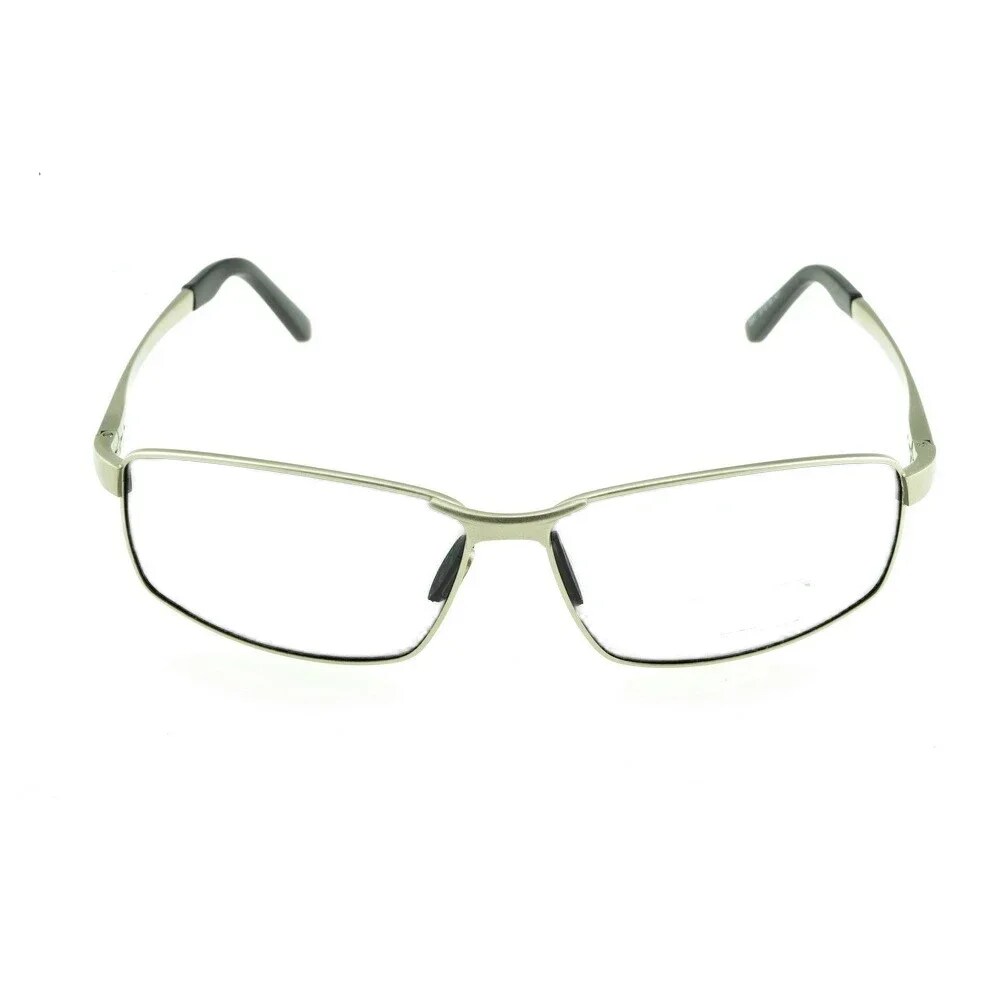
Finding the right pair of progressive reading glasses can feel like a never-ending quest. I've been there. I’ve thrown away hundreds of dollars and countless hours searching for glasses that actually work. My journey was full of bad purchases, blurry vision, and endless headaches.
Over the past few years, I estimate I spent at least $400-$500 on different pairs of "best progressive reading glasses" that promised a lot but delivered very little. I wasted weekends going to stores, then more time returning them or just shoving them into a drawer. It was frustrating and costly.
Don't make my mistakes. This article will show you what to avoid and guide you to finding true clarity. My hope is to save you money, time, and a whole lot of frustration. When you finally find the right pair, like I did, you'll experience:
My first mistake was always going for the cheapest option. I thought, "How different can they be?" Oh, how wrong I was. I bought several pairs online that looked good in the pictures and cost next to nothing. They arrived quickly, but the quality was shockingly bad.
The frames felt flimsy, like they would snap any second. The lenses were even worse. They often had noticeable distortions, especially at the edges. The progressive zones, which are supposed to smoothly transition from distance to near vision, were narrow and hard to find. I had to move my head constantly just to see clearly. This made reading, working on the computer, or even just looking at my phone incredibly annoying.
One pair lasted only two weeks before a hinge broke. Another pair's lenses scratched so easily they were unusable after a month. Each time, I felt ripped off. I kept thinking I could find a bargain, but all I found was more wasted money.
Verdict: Super cheap usually means low quality. Invest a bit more for glasses that actually do their job and last.
My second big mistake was trusting marketing words over real results. Many sellers online promise "ultra-wide progressive fields," "anti-glare magic," or "unbreakable frames." I fell for these claims more times than I care to admit.
I bought glasses that claimed to have huge progressive zones, meaning you wouldn't notice the transition. In reality, the clear viewing area was tiny. I still had to bob my head up and down to find the right spot for reading or looking at my computer screen. The "anti-glare" coating often did nothing, or even made things worse with weird reflections.
Another pair was advertised as "feather-light" and "flexible." They arrived feeling heavy and stiff. After wearing them for an hour, the bridge of my nose hurt, and I got a tension headache. It's frustrating when what you read online doesn't match what you get in your hands. It makes you lose trust in online shopping for crucial items like glasses.
Verdict: Don't just read the ad. Look for proof and real features.
My third mistake was not doing my homework. I would often make quick purchases based on a flashy picture and a low price. I didn't dig into the product details. I didn't check the material of the frame or the type of lens used. Most importantly, I didn't spend enough time reading real buyer reviews or looking at customer photos.